

Uninsured
Medicaid Unwinding
Tracking Medicaid Disenrollments, Renewals, Enrollment, and More
At least 23,010,000 Medicaid enrollees have been disenrolled as of June 14, 2024, based on the most current data from all 50 states and the District of Columbia. Overall, 30% of people with a completed renewal were disenrolled in reporting states while 70%, or 50.8 million enrollees, had their coverage renewed (one reporting state does not include data on renewed enrollees).
Get the latest data.
Get the latest data.

Who are The uninsured?
- Survey
How the Unwinding Affected Enrollees
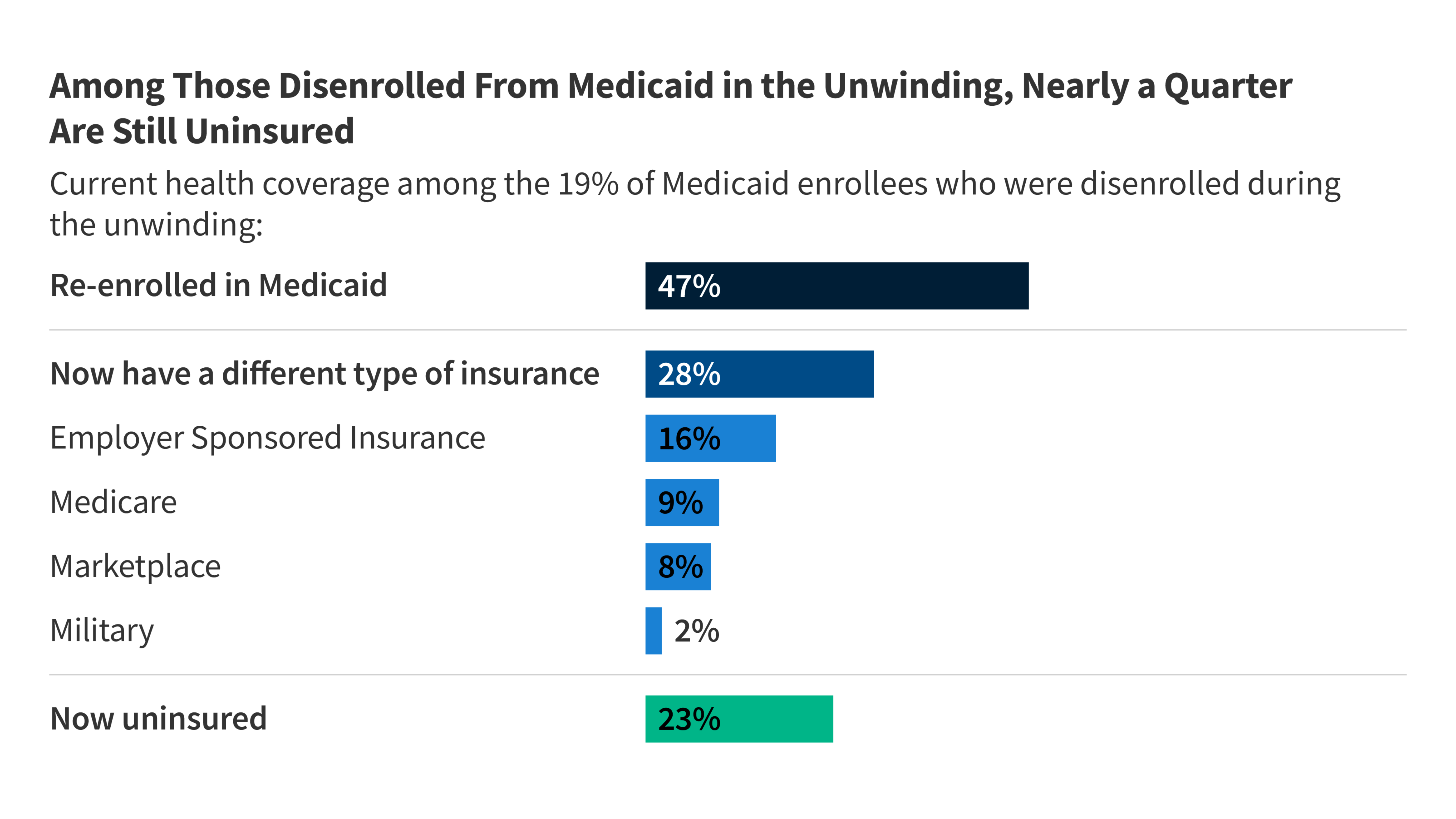 Over half who were disenrolled say they put off needed medical care while trying to renew Medicaid. Overall, 19% of adults who had Medicaid prior to the start of unwinding say they were disenrolled at some point in the past year. Of this group, a large majority (70%) were left at least temporarily uninsured.
 - column
Forward or Backward on the Uninsured?
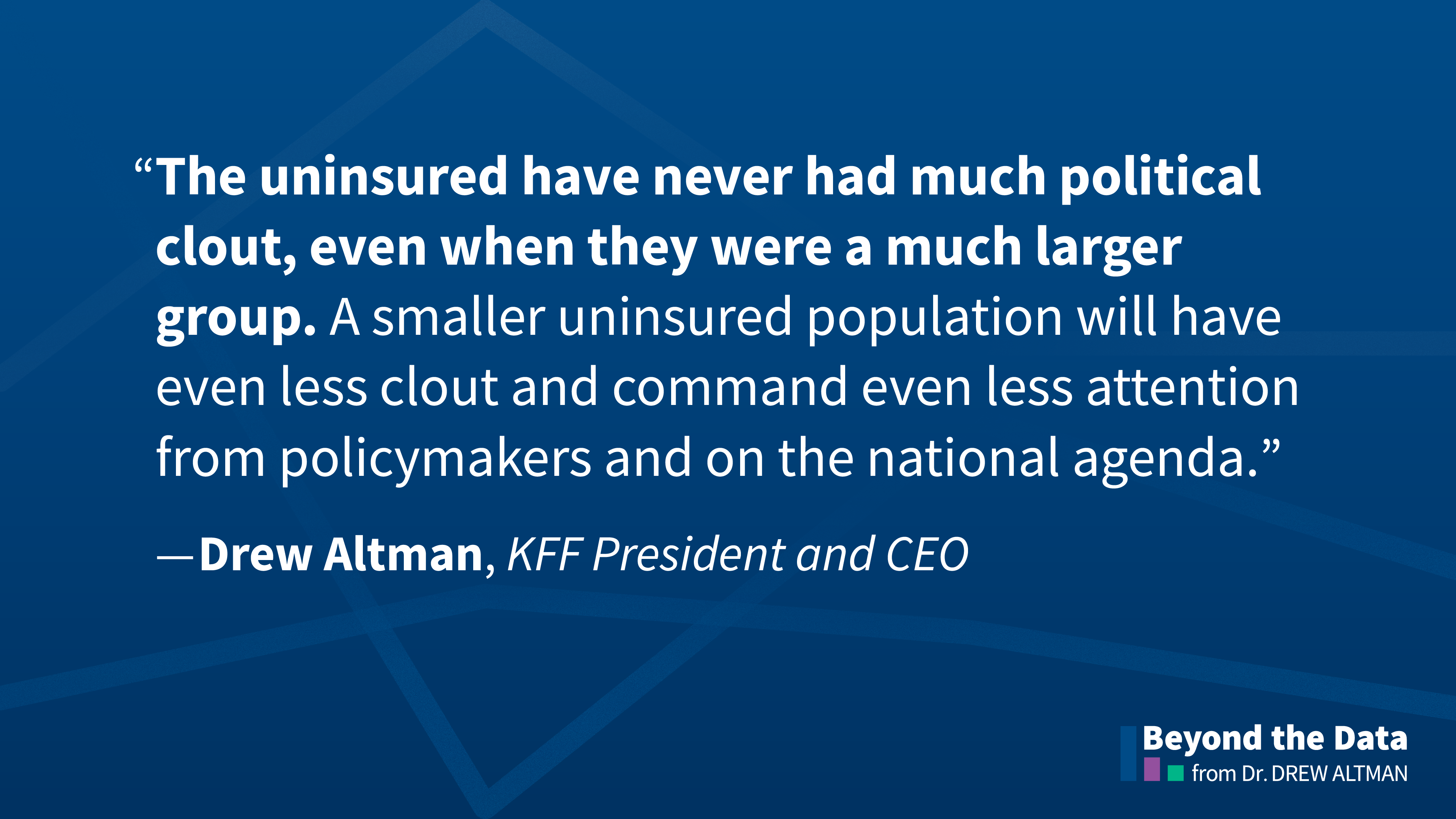 In his new column, KFF President and CEO Drew Altman looks back at the remarkable progress made in expanding coverage for the uninsured and what it could mean politically for today’s remaining uninsured—a population that has had little clout historically and will command even less attention now.
 - issue brief
A Closer Look at the Remaining Uninsured Eligible for Medicaid
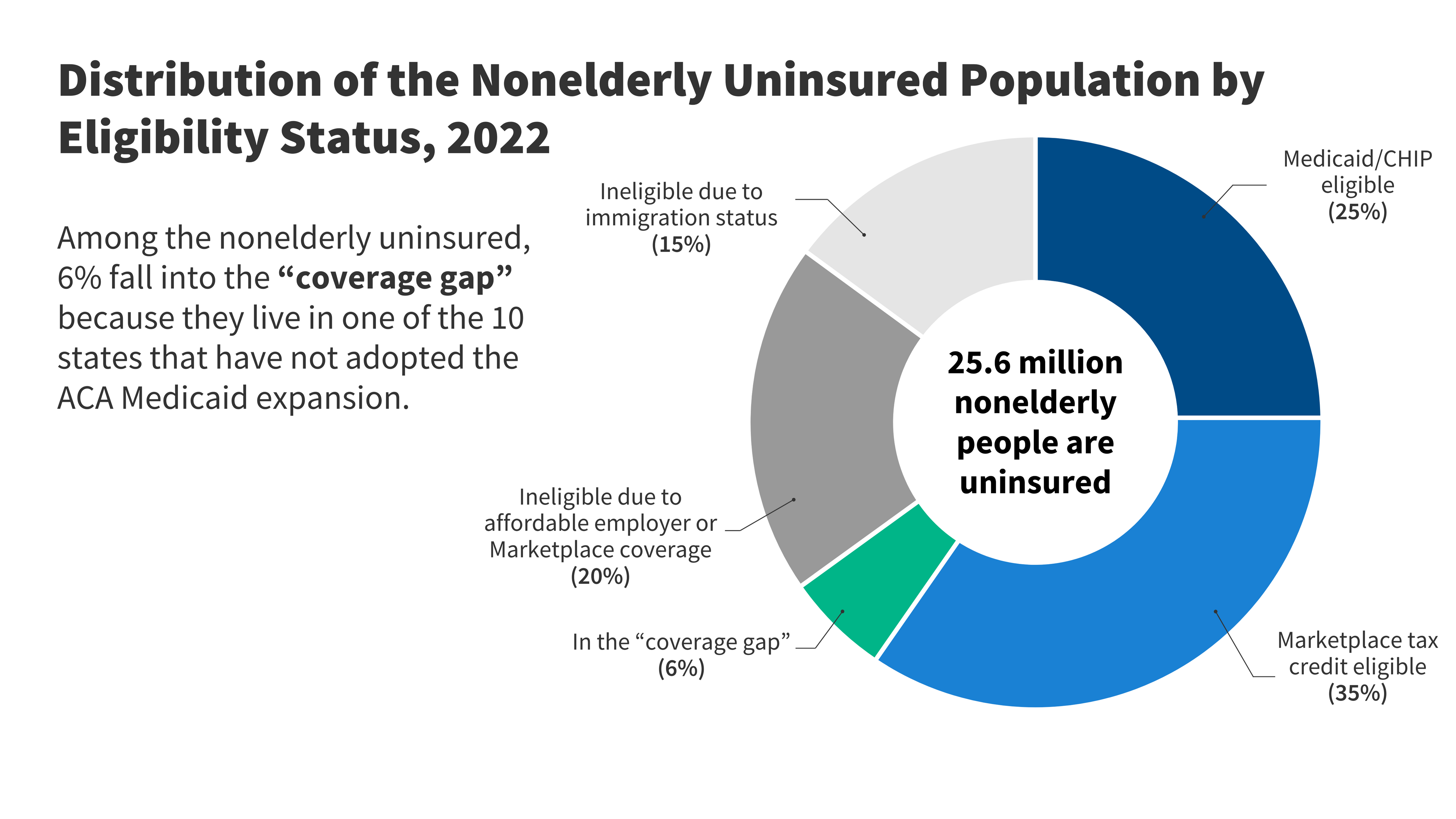 Despite coverage gains during the pandemic, 25.6 million nonelderly people remained uninsured in 2022. Six in ten of the uninsured people are eligible for Medicaid or subsidized plans in the Marketplace but are not enrolled. We examine the characteristics of this population using 2022 national survey data.
 - explainer
Medicaid Expansion and the Coverage Gap
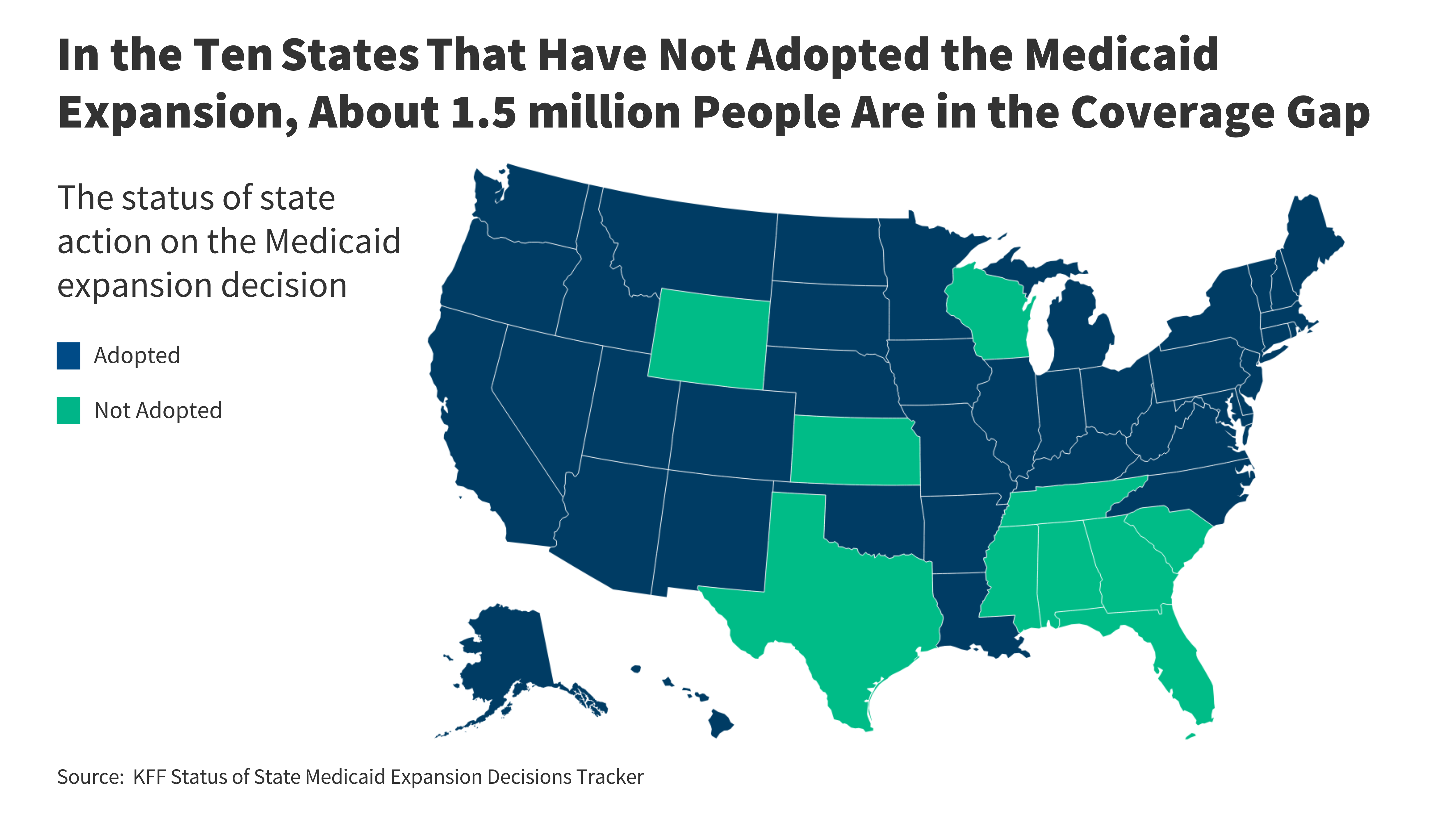 Ten years after the implementation of the Affordable Care Act’s coverage options, ten states have not adopted the Medicaid expansion, leaving 1.5 million uninsured people without an affordable coverage option. States that have not implemented the expansion have uninsured rates that are nearly double the rate of expansion states (14.1% compared to 7.5%).
The uninsured: How costs affect care and health, 2022
Latest Polling10%
Percent of adults who reported not having health insurance
29%
Percent of uninsured adults who reported delaying or not getting care due to health costs
75%
Percent of uninsured adults who worry about medical bills if they get sick or have an accident
38%
Percent of uninsured adults who reported not having a usual source of care (vs. 8% of insured adults)
Latest News
-
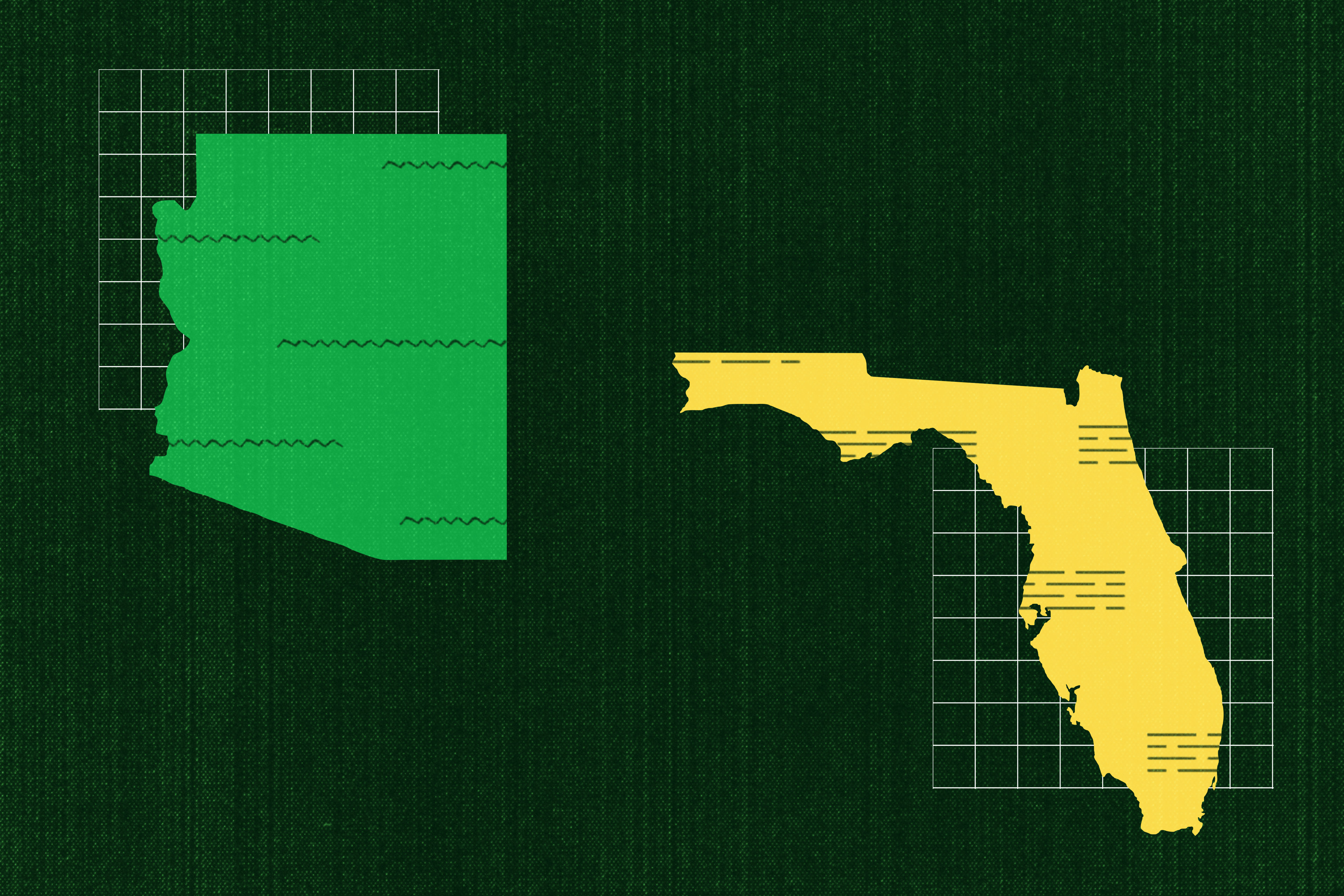
A Tale of Two States: Arizona and Florida Diverge on How To Expand Kids’ Health Insurance
-

Funding Instability Plagues Program That Brings Docs to Underserved Areas
-
He Fell Ill on a Cruise. Before He Boarded the Rescue Boat, They Handed Him the Bill.
-
Casi 1 de cada 4 adultos desafiliados de Medicaid siguen sin seguro, indica encuesta