

HIV/AIDS
What Do We Know About People with HIV Who Are Not Engaged In Regular HIV Care?
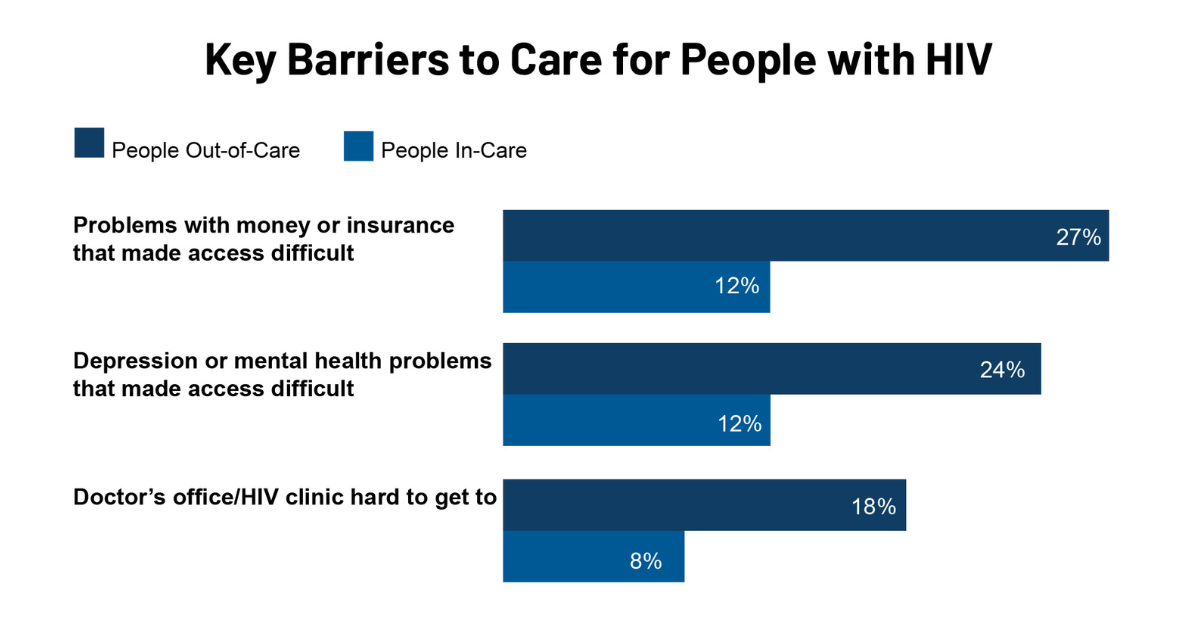
This analysis uses nationally representative data to assess the characteristics and experiences of people with HIV who are out of regular HIV care. Reaching and engaging people with HIV who are not in care involves addressing the complex and systemic barriers they face, which impede both their health and wellbeing and also the HIV response in the U.S. more broadly.
Let’s Get Tested!

LGBT+ People’s Health Status and Access to Care
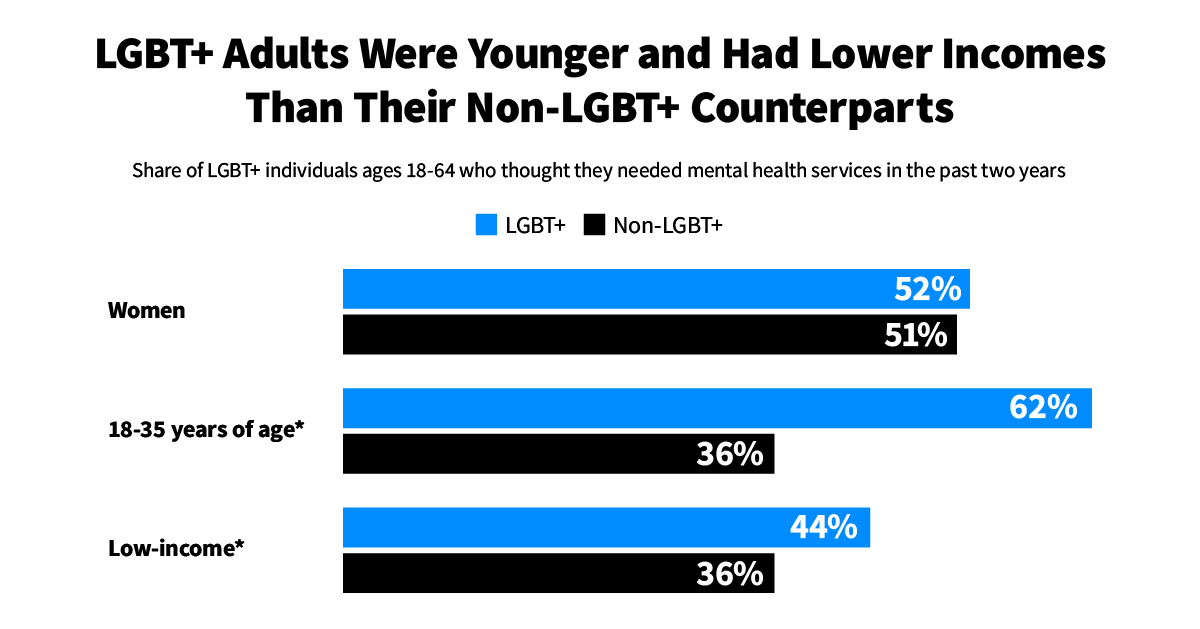
This report, based on a nationally representative 2022 KFF survey, provides an analysis of the health experiences of self-identified LGBT+ adults in the U.S. compared to their non-LGBT+ counterparts.
Mental Health Care Needs and Experiences Among LGBT+ People
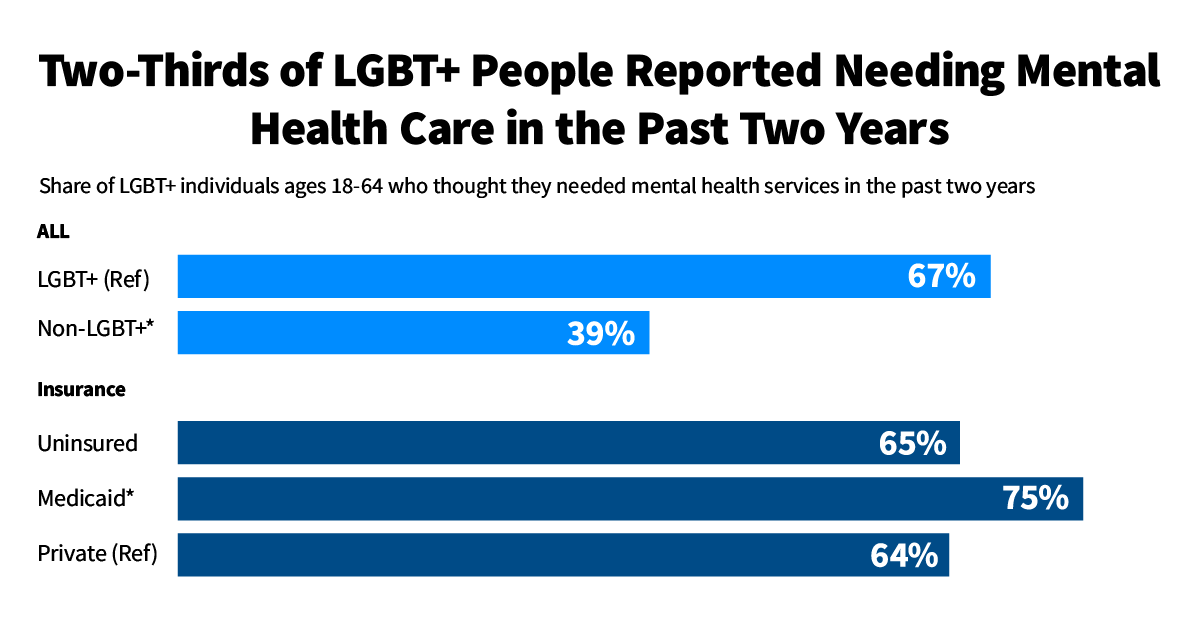
In this report, we examine LGBT+ people’s needs for and experiences accessing mental health care by analyzing data from a nationally representative 2022 KFF survey with a large sample of LGBT+ adults.
The Impact of the COVID-19 Pandemic on LGBT People
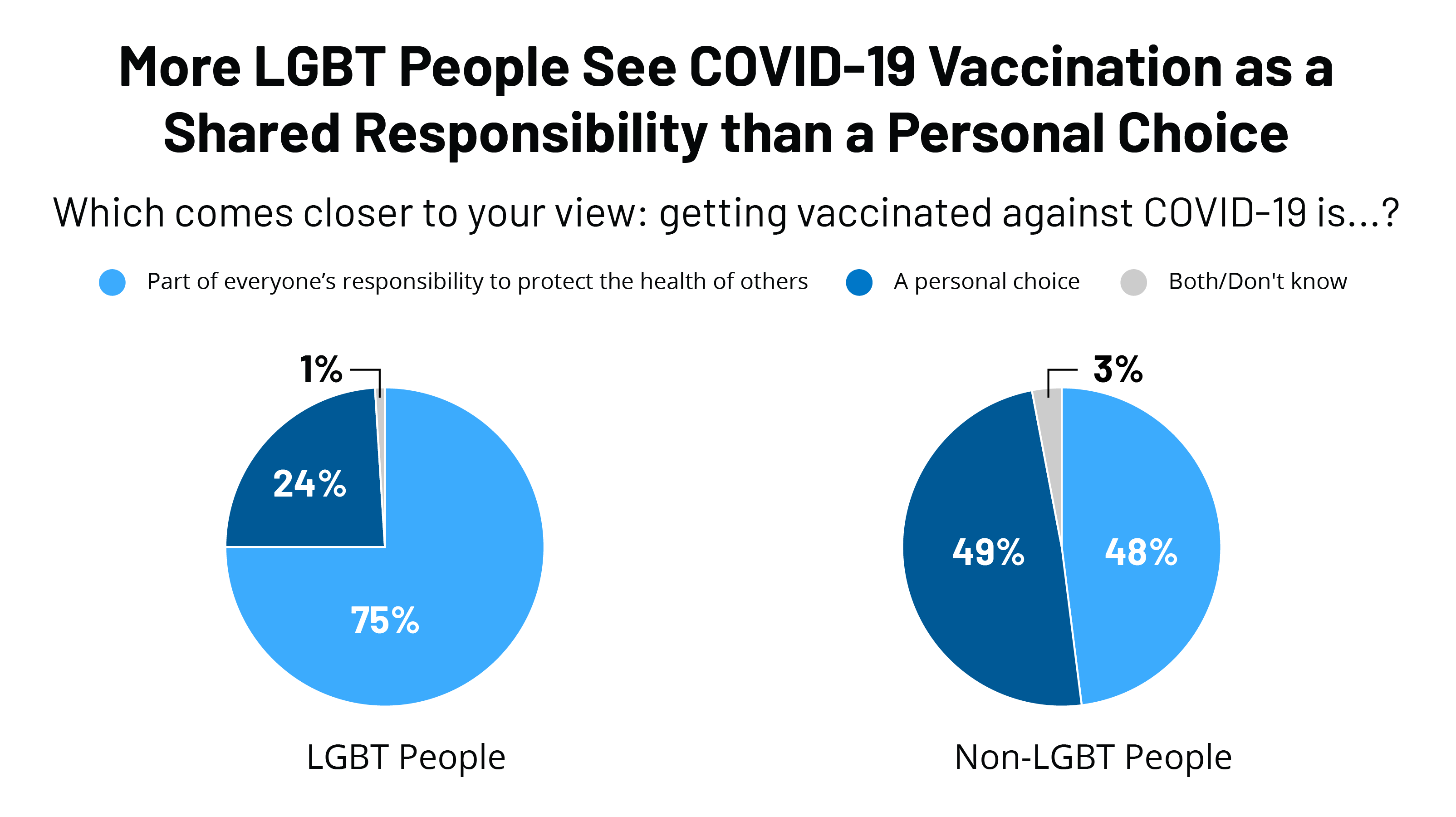
This analysis examines the reported experiences among self-identified LGBT individuals based two months of KFF COVID-19 Vaccine Monitor reports and finds that LGBT people have experienced the COVID-19 pandemic differently than non-LGBT people, including being harder hit in some areas.
Domestic HIV Funding in the White House FY 2024 Budget Request
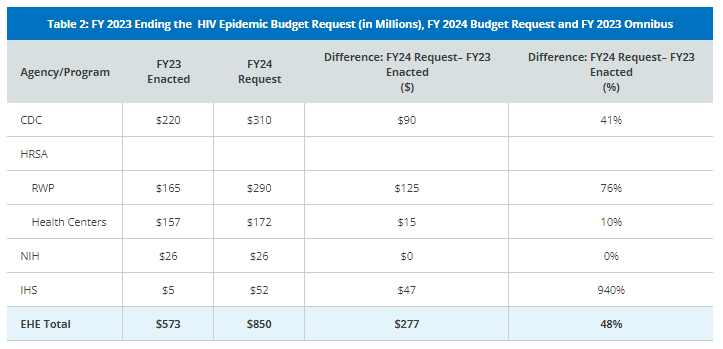
This brief examines the proposed domestic HIV funding included in the White House’s fiscal year 2024 budget request, including the Ending the HIV Epidemic initiative. It includes comparisons to current funding levels.
The U.S. Ending the HIV Epidemic (EHE) Initiative: What You Need to Know
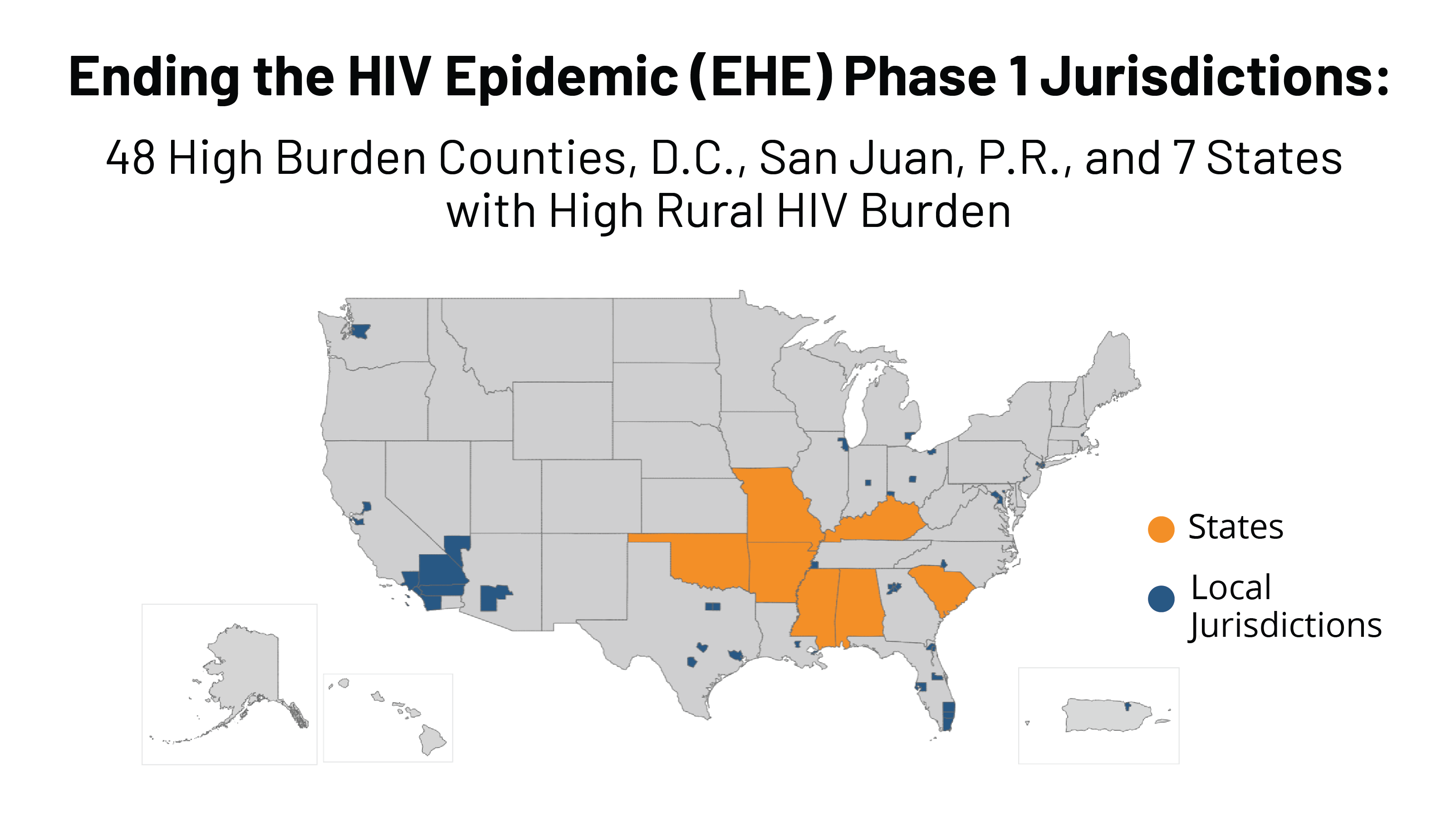
This explainer provides an overview of the federal “Ending the HIV Epidemic” initiative and explores issues that might mitigate or facilitate its success.
Ending the HIV Epidemic (EHE) Funding Tracker
This tracker provides up-to-date data on federal Ending the HIV Epidemic (EHE) funding, including an overview of funding mechanisms by year, agency, grant mechanism, and jurisdiction.
- the basics
The HIV/AIDS Epidemic in the United States
This updated fact sheet provides the latest data on the U.S. HIV epidemic, including key trends over time, impact by region and population, and information on the U.S. government’s response. - medicaid
Medicaid and HIV
This fact sheet provides an overview of the role of Medicaid for people with HIV, including trends and characteristics of beneficiaries, spending, services and other issues. - HIV testing
HIV Testing in the United States
HIV testing is integral to HIV prevention, treatment, and care. This fact sheet presents key facts about HIV testing statistics, requirements, sites, and insurance coverage. - antiretrovirals
AIDS Drug Assistance Programs (ADAPs)
Learn more about AIDS Drug Assistance Programs (ADAPs), which provide HIV-related prescription drugs to low-income people with HIV/AIDS who have limited or no prescription drug coverage. - HIV/AIDS
The Ryan White HIV/AIDS Program: The Basics
This fact sheet provides an overview of the Ryan White Program, the largest HIV-specific federal grant program in the United States.
The U.S. President’s Emergency Plan for AIDS Relief (PEPFAR)
This fact sheet looks at the history, funding, and future outlook of the President’s Emergency Plan for AIDS Relief (PEPFAR), the U.S. government’s major global initiative to combat HIV/AIDS.PEPFAR Policy Resource Hub
This hub brings together key PEPFAR policy resources – from KFF, the U.S. government, and others – that can be used to inform policy discussions and research. More items will be added to the hub over time.
The Global HIV/AIDS Epidemic
This updated fact sheet provides the latest data on the global HIV/AIDS epidemic, including impact by region, treatment and prevention efforts, and an overview of the U.S. and global responses to the epidemic.
Global HIV/AIDS Timeline
The Global HIV/AIDS Timeline is designed to serve as an ongoing reference tool for the many political, scientific, cultural, and community developments that have occurred over the history of the epidemic.